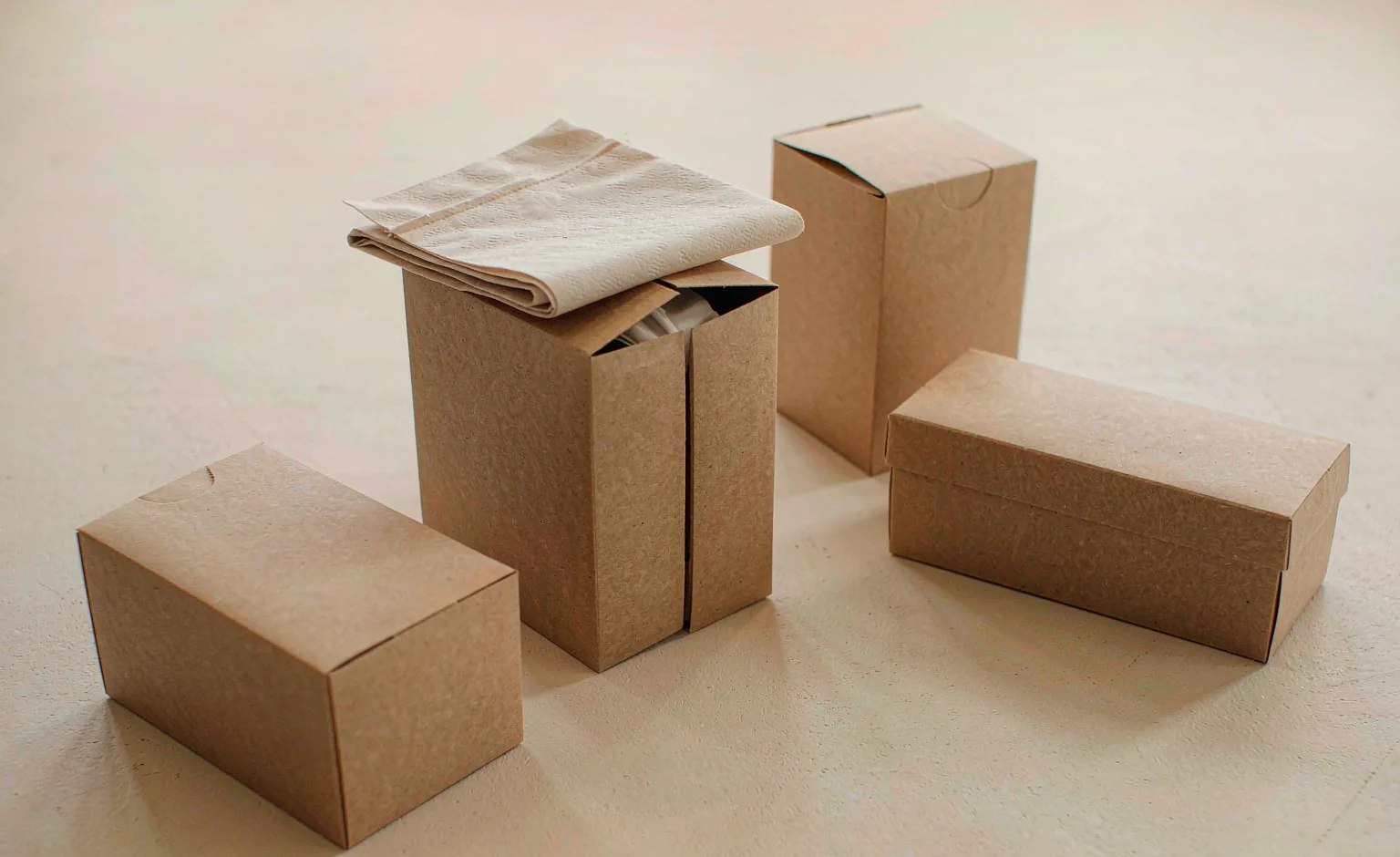
Ask a room of buyers what a standard face towel pack holds and most will say fifty. In this panel they would be right four times out of six.
Sheet count in one physical pack was available for 110 of 121 international pages. The median came out at 50 in the US, UK, Germany and the UAE, and 60 in Japan and South Korea. The counts themselves run from small travel packs of 8 to boxes of 180, so the median is a centre, not a rule.
Two formats, one brand
ITO is a useful illustration. Its Japanese store lists a 25-sheet box at 20 × 20 cm and a 50-sheet cube at 22.5 × 25 cm. Same brand, same shelf, two different bets about how much a customer wants to carry home. Renbe in the UK runs 30, 60 and 8 in three separate boxes, and treats each as its own base pack rather than a bundle of the others.
That is the pattern worth noticing: the base pack is a retail decision before it is a production one. It sets the shelf price, the carton count and the freight profile, and it changes with the channel.
Count is not the same as offer total
Nineteen pages in the panel sold more than one pack in a single offer. A '300 count' listing may be six packs of fifty, or one large pack, and the page does not always say which. We recorded the number of pieces in one physical pack separately from the total in the offer for exactly this reason; mixing them is how a price comparison goes wrong by a factor of six.
What this does not say
A median of a selected panel is not a market average. Japan's 60 sits on a panel where one brand accounts for nine records, and Korea's 60 comes from a panel that includes three cross-border listings. If you are specifying a pack for a new market, the useful question is what the shelf you are targeting actually carries, not what this table says.